HA3 garden services comparison for flats and houses
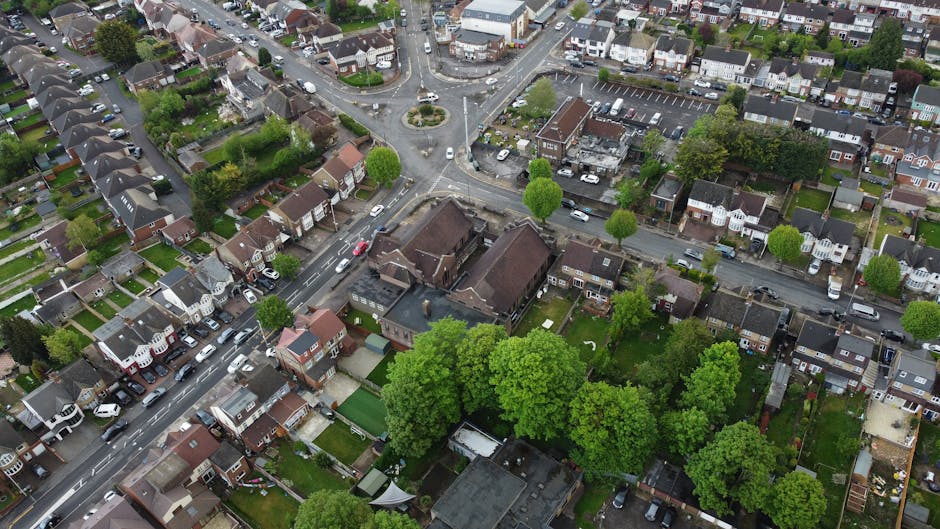
If you are trying to compare garden services in HA3 for a flat versus a house, you are probably looking for more than a price list. You want to know what actually changes: access, frequency, council rules, neighbour considerations, and whether the job needs a quick tidy-up or a proper ongoing maintenance plan. That is fair enough. A small private front garden in a house can be completely different from a shared courtyard, balcony planting area, or a ground-floor flat with limited access.
This guide breaks down the real-world differences in HA3 garden services comparison for flats and houses, so you can choose the right type of service with fewer surprises. We will look at what tends to cost more, what services are usually worth booking, where the common mistakes happen, and how to think clearly about maintenance, clearance, trimming, mowing, and more. If you want a broader view of service types, the services overview is a useful place to start.
Truth be told, most gardening problems in homes are not about the plants. They are about access, timing, and what level of responsibility sits with the resident, the landlord, or the managing agent. That is where the comparison really matters.
Why HA3 garden services comparison for flats and houses Matters
In HA3, you will find a mix of flats, maisonettes, terraced homes, semis, and larger houses with everything from compact strips of lawn to full gardens with hedges, borders, patios, and awkward side access. That mix is exactly why a one-size-fits-all garden service rarely works.
A house garden often has clearer ownership and easier access. A flat, on the other hand, may involve shared outdoor space, restricted entry, sensitive noise timings, and separate responsibility for planting beds, bin-store surroundings, or small private terraces. If the wrong service is booked, you can end up paying for tasks you do not need, or worse, missing the tasks that actually keep the space safe and tidy.
There is also a practical side to this. Garden work at a house can often be planned around the homeowner's preferences. Flat-based work may need more coordination, especially where neighbours, landlords, or property managers are involved. That little bit of extra planning can save a lot of hassle later. And let's face it, nobody wants a mower turning up when access has not been arranged properly.
For homeowners, the main question is usually, "How do I keep the garden looking good without overpaying?" For flat residents, it is often, "What can I actually request, and what falls under shared maintenance?" Those are different questions, so they deserve different answers.
How HA3 garden services comparison for flats and houses Works
When you compare services for flats and houses, you are really comparing scope, access, frequency, and responsibility. The same gardening business may offer similar work in both settings, but the way the job is delivered changes quite a bit.
For houses
Household garden services usually include lawn mowing, hedge trimming, planting care, garden clearance, seasonal tidy-ups, and sometimes soft landscaping. The service can be tailored to the garden size and how much the owner wants to do themselves. A larger garden may need regular visits, while a smaller one may only need maintenance every couple of weeks or once a month.
House gardens often allow easier access for tools, waste removal, and larger tasks. If you need heavier work, such as clearing overgrown beds or managing a stubborn hedge, a house normally gives the team more room to work safely and efficiently.
For flats
Flat-based services are often narrower in scope. You might have a communal courtyard, a front entrance strip, raised beds, a small private patio, or simply shared outdoor areas that need general upkeep. The service may focus on keeping communal spaces presentable, manageable, and safe rather than transforming the whole area.
Access can be the biggest difference. If a gardener has to move equipment through a building, work around secure entry systems, or coordinate with residents, the job takes more planning. Sometimes the actual gardening is simple, but the logistics are the real task. That is not a bad thing, just a different one.
How to think about the comparison
A useful way to compare is to ask:
- Who owns or manages the outdoor area?
- How much access is needed for tools and waste removal?
- Is the work one-off or ongoing?
- Does the garden need basic maintenance or more involved landscaping?
- Are there shared spaces, neighbours, or restrictions to factor in?
If you answer those honestly, the right service usually becomes obvious. Not always instantly, but pretty quickly.
Key Benefits and Practical Advantages
The main benefit of making this comparison properly is simple: you choose a service that fits the property instead of forcing the property to fit the service.
For houses, the advantage is usually control. You can prioritise what matters most, whether that is a neat lawn, stronger planting structure, or better outdoor flow. Regular garden maintenance can keep a private garden looking cared for all year without constant effort from the homeowner.
For flats, the advantage is consistency. Shared or limited outdoor areas can look untidy very quickly if nobody stays on top of them. A planned service helps keep entrances, courtyards, and communal patches tidy, which matters more than people sometimes admit. First impressions, damp leaves, overgrown edges - all of that adds up.
Across both property types, good garden services can also:
- reduce safety risks from trip hazards, brambles, or blocked paths
- improve appearance and kerb appeal
- save time and physical effort
- keep seasonal growth under control
- help with waste reduction through proper green waste handling
- make it easier to plan future improvements such as landscaping or decking
If a garden is genuinely overgrown, a proper garden clearance can be the right starting point before moving on to regular maintenance. That applies to flats too, especially where communal areas have been ignored for a while.
Who This Is For and When It Makes Sense
This comparison is useful for several kinds of people. If you fall into one of these groups, you are in the right place.
- House owners who want to keep a private garden under control without constant DIY work.
- Flat residents with a small private outdoor space, balcony planting, or shared courtyard responsibilities.
- Landlords and letting agents who need outdoor areas kept presentable between tenancies.
- Block managers and managing agents looking after communal green areas.
- Older residents or busy households who want practical help with regular upkeep.
- People planning upgrades such as new planting, paved areas, or landscaping work and needing the site tidied first.
It makes sense to compare services when the garden starts becoming a recurring chore rather than a pleasant space. You know the moment. The grass is a bit too long, the hedge is leaning over, and the patio has that slippery autumn feel. That is the moment to stop pretending you will sort it next weekend.
For a house, the tipping point is often size or seasonal growth. For a flat, it is usually coordination and consistency. Different pressures, same result: the garden needs a plan.
Step-by-Step Guidance
If you want to make a sensible choice, it helps to move through the process in order. Rushing usually leads to confusion, and gardening jobs are too easy to under-specify. One vague request can change the whole quote.
- Identify the space
Write down exactly what area needs attention: private garden, shared courtyard, front strip, hedges, lawn, beds, patio, or planted pots. - Clarify responsibility
In flats especially, find out whether the work is your responsibility, the landlord's, or part of a communal arrangement. No one likes discovering that after the fact. - List the recurring tasks
For example: mowing, edging, hedge trimming, weeding, leaf clearance, pruning, or waste removal. - Separate one-off from ongoing work
Something overgrown may need a one-off clearance first, then lighter routine care later. - Check access details
Can a team get equipment in easily? Is there side access, secure entry, parking, or a lift? Yes, a lift. Sometimes even the wheelbarrow has a journey. - Ask about waste handling
Green waste can build up fast. A clear plan for removal is a big plus. - Compare like for like
Make sure you are comparing the same scope. One quote may include hedge work and waste removal; another may not. - Choose a service level
Basic tidy-up, monthly maintenance, seasonal work, or more detailed outdoor care. - Review the result after the first visit
Did they work through the agreed tasks? Was access managed well? Did the space feel better, not just look different?
If you are not sure where to begin, look at the provider's wider service range through the services overview and match the service to the property, not the other way round.
Expert Tips for Better Results
In our experience, the best outcomes usually come from clarity rather than complexity. People often think they need a fancy plan. Usually they just need a good brief.
Be precise about boundaries. If a flat shares a courtyard but you only want a planting bed maintained, say that. If a house has a side return that collects leaves, mention it. Small details matter more than you think.
Match the service to the season. Spring and early summer often need more frequent visits because growth can surge. In autumn, leaf clearance and general tidy-up become more important. Winter can be quieter, but that is when structural issues often show up.
Use maintenance to prevent escalation. A regular visit is often cheaper and easier than letting a garden become a project. This is especially true for flats, where a neglected communal area can quickly feel shabby.
Think about how the space is used. A family garden may need safe play space and a mowed lawn. A flat courtyard may need clean lines, low-maintenance planting, and good access paths. Different use, different priorities.
Ask for realistic timing. A garden that looks tidy in midsummer may still need a different schedule by late September. Gardeners who explain this clearly are usually worth listening to.
Expert summary: The best garden service is rarely the cheapest or the fanciest. It is the one that understands the property, the access, and the actual maintenance burden. That sounds simple, but it saves a lot of frustration.
Common Mistakes to Avoid
There are a few mistakes that come up again and again. They are very normal, by the way. Nobody gets this right every time on the first try.
- Assuming flats and houses need the same service
A flat often needs access planning and shared-space coordination. A house often needs broader scope and more frequent care. - Booking a tidy-up when clearance is needed
If the garden is heavily overgrown, a routine maintenance visit may not be enough. - Ignoring waste disposal
Clippings, branches, and leaf piles can become the hidden headache in a job. - Not checking what is included
Mowing is not always the same as edging. Hedge work is not always included. Small print, annoying but important. - Overlooking safety and access
Loose paving, dark corners, awkward entry points, and shared pathways can affect how the work is done. - Choosing purely on price
Cheaper can be fine. But if the scope is unclear, the cheapest quote may end up costing more in rework.
A simple way to avoid disappointment is to ask, "What will the gardener do, what will they not do, and what happens to the waste?" That question alone cuts through a lot of uncertainty.
Tools, Resources and Recommendations
You do not need a shed full of equipment to make a good decision. You mainly need a bit of structure and the right kind of information.
Useful things to have ready before requesting a quote:
- a rough sketch or photos of the space
- a list of the tasks you want done
- notes on access, parking, keys, or entry codes
- details of any shared responsibility in a flat or managed property
- an idea of how often you want the work repeated
When comparing service types, these related pages can help you think through the work more clearly:
- lawn mowing for regular grass maintenance
- hedge trimming for managing boundaries and privacy
- garden clearance for neglected or cluttered spaces
- tree lopping and removal where larger growth needs careful handling
- decking services if your outdoor space is moving beyond maintenance into improvement
If you are the type who likes to check the business side first, the pages on pricing and quotes, insurance and safety, and health and safety policy are worth a read. No drama, just good due diligence.
Law, Compliance, Standards, or Best Practice
Garden services are not usually complex from a legal point of view, but there are still sensible standards to keep in mind. In flats especially, there may be leases, building rules, access arrangements, and responsibility boundaries. Those can shape what work is allowed, who arranges it, and when it can happen.
For houses, the main compliance concerns are usually practical rather than formal: safe use of tools, careful handling of waste, and avoiding damage to neighbouring property. For flats and shared spaces, the picture can be broader. Shared gardens, communal paths, and managed entrances often need more coordination, and sometimes written agreement, before work begins.
Best practice usually means the following:
- confirm access before the visit
- agree the exact scope of work
- make sure waste handling is understood
- use appropriate safety measures for tools, ladders, and cutting equipment
- respect neighbouring users and shared spaces
- keep records of agreed work where multiple parties are involved
If sustainability matters to you, it is also sensible to ask how green waste and materials are handled. A provider with a clear approach to recycling and sustainability is often a good fit for managed properties and household clients alike.
And yes, if a provider seems vague about safety, insurance, or what happens on site, that is a small warning light. Nothing dramatic, just worth paying attention to.
Options, Methods, or Comparison Table
Below is a straightforward comparison to help you choose the most suitable approach for flats and houses. It is not about declaring one better than the other. It is about fit.
| Factor | Flats | Houses |
|---|---|---|
| Typical outdoor space | Small private areas, balconies, courtyards, shared gardens | Private gardens, lawns, borders, side returns, larger plots |
| Access | Often more restricted; may need entry coordination | Usually easier, especially with direct garden access |
| Decision-makers | Resident, landlord, managing agent, or residents' group | Usually the homeowner or tenant with clearer responsibility |
| Best-fit services | Tidy-ups, communal maintenance, small-scale planting care | Routine maintenance, mowing, hedge work, clearance, landscaping |
| Common issues | Access delays, shared responsibility, limited storage | Growth control, larger waste volumes, seasonal workload |
| Service frequency | Often lighter but more consistent | Can range from occasional to frequent depending on garden size |
| Typical priority | Presentation, tidiness, practicality | Usability, appearance, maintenance, and longer-term care |
One practical way to decide is this: if the outdoor area is mainly about appearance and shared usability, lean toward maintenance. If it is about managing growth, structure, and broader garden health, lean toward a fuller service mix.
Case Study or Real-World Example
Here is a realistic example based on the kind of request that comes up often.
A homeowner in a HA3 house has a medium-sized back garden with a lawn, hedge line, and a few overgrown borders. They want the space to look decent without giving up every Saturday to it. A straightforward plan would be to start with mowing, hedge trimming, and a one-off tidy of the beds, then move onto routine maintenance every few weeks during the growing season.
Now compare that with a flat resident who has access to a small communal courtyard used by several households. The courtyard does not need deep horticultural work. It needs consistent tidying, light pruning, weed control, leaf clearance, and someone who can work around access times. The first priority is not making it "perfect." It is keeping it clean, safe, and welcoming.
Same postcode, very different jobs. That is the point.
In the flat scenario, a sensible gardener will usually ask more questions about entry and responsibility before giving a firm plan. In the house scenario, the discussion tends to move more quickly into the condition of the lawn, hedge height, and whether any garden clearance is needed first. Slightly different conversation, much better outcome.
Practical Checklist
Use this checklist before booking any garden service in HA3:
- Have I confirmed whether the space is private or shared?
- Do I know who is responsible for arranging the work?
- Have I listed the exact tasks needed?
- Do I need clearance first, or just routine maintenance?
- Are access arrangements clear?
- Have I thought about parking, entry codes, or key access?
- Do I know what happens to garden waste?
- Have I compared quotes on the same scope of work?
- Do I need ongoing visits or a one-off job?
- Have I checked safety, insurance, and working practices?
- Is there anything delicate on site, such as planted pots, wildlife habitats, or fragile paving?
- Do I want this tied into broader improvements like landscaping or decking later on?
If that list feels a little long, fair enough. But working through it once can save a lot of back-and-forth later. A ten-minute think now often prevents a ten-day headache.
Conclusion
The real value of a HA3 garden services comparison for flats and houses is that it helps you choose the right kind of support for the space you actually have. Houses usually need broader, more flexible maintenance. Flats usually need tighter coordination, clearer responsibility, and a service that works around access and shared use.
Once you focus on scope, access, waste, and frequency, the decision becomes much easier. You stop guessing. You stop over-ordering. And you get a garden that feels manageable again, which is often the whole point, really.
Whether you are dealing with a small courtyard, a private lawn, a communal strip, or a full family garden, the best outcome is a tidy, safe, usable space that suits the building around it. That is the kind of result people notice every day, even if they never say it out loud.
Get a free quote today and see how much you can save.
For a helpful next step, you can also review about us to understand the approach behind the service, then use the contact page when you are ready to talk through your property needs.
Frequently Asked Questions
What is the main difference between garden services for flats and houses?
The biggest difference is usually access and responsibility. Houses tend to have private gardens with clearer ownership, while flats often involve shared areas, restricted access, or coordination with landlords and managing agents.
Are garden services for flats usually cheaper than for houses?
Not always. A flat may have a smaller space, but access issues, shared arrangements, and the need for careful scheduling can affect the price. A house may cost more simply because there is more ground to cover.
What services are most common for houses in HA3?
Regular lawn mowing, hedge trimming, border tidying, seasonal clearance, and routine garden maintenance are common. Some homeowners also add landscaping or decking work if they want to improve the space.
What services are most useful for flats?
Flats often benefit from light but regular maintenance, courtyard tidying, leaf clearance, weed control, and keeping communal areas presentable. The exact work depends on whether the space is private or shared.
How do I know if I need garden clearance or maintenance?
If the space is overgrown, cluttered, or hard to use, clearance is usually the better first step. If the garden is already in reasonable shape and just needs ongoing care, maintenance is usually enough.
Can one gardener handle both a flat courtyard and a house garden?
Yes, if they offer the right range of services and have enough flexibility to adapt to different access conditions. The important part is not the property type alone, but whether the scope is clear.
Do flats need permission before garden work starts?
Often they do, especially for communal areas or managed buildings. It is sensible to confirm who has authority to approve the work before booking anything.
What should I ask before comparing quotes?
Ask what is included, how waste will be handled, whether access needs to be arranged, and whether the quote covers one-off or regular visits. That usually removes most confusion.
How often should a house garden be maintained?
That depends on garden size, growth rate, and how much you want it to look after itself. Some gardens need weekly or fortnightly attention in the growing season, while others only need occasional visits.
What if my flat has only a small private outdoor area?
Small spaces still benefit from proper care. In fact, they can become untidy very quickly. A light maintenance plan can keep a small terrace or courtyard feeling usable without overcomplicating it.
Is landscaping worth considering for flats?
Sometimes yes, particularly if the space is awkward, poorly used, or difficult to maintain. Simple landscaping changes can make a flat's outdoor area easier to clean, safer to walk through, and more pleasant to use.
How do I choose between a one-off visit and a regular service?
If the garden is currently untidy or out of control, start with a one-off job. If the space needs ongoing care to stay in good shape, regular visits are usually the better long-term option.
Where can I learn more about service standards and practical details?
It helps to look at pages covering pricing, safety, and service scope. The pricing and quotes page is useful for understanding how jobs are assessed, and the safety information can give extra reassurance.