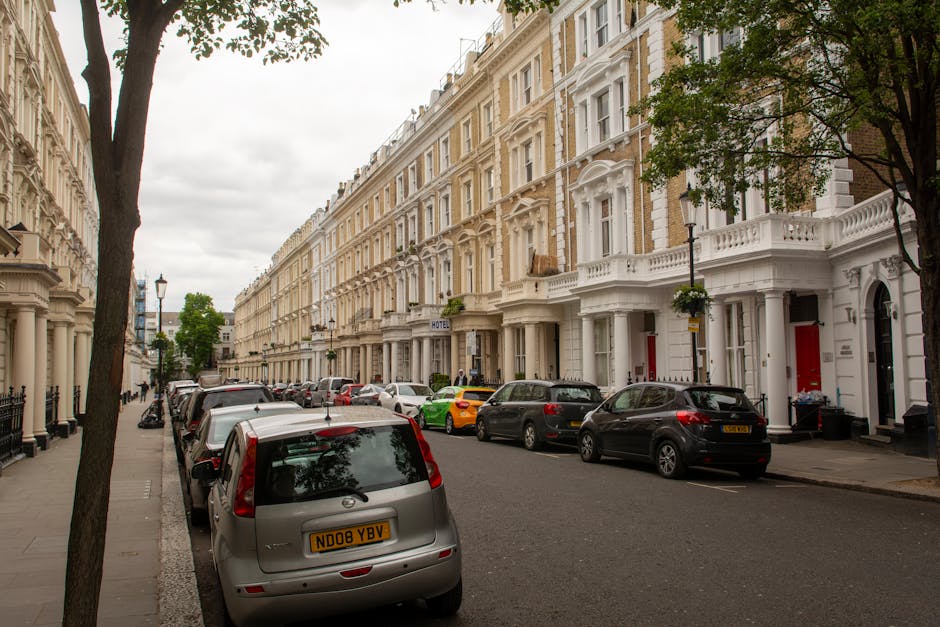
Kenton Road gardening tips for Victorian terraces
Victorian terraces have a charm all their own: narrow plots, overlooked rear gardens, a mix of sun and shade, and just enough awkwardness to keep even keen gardeners on their toes. If you live near Kenton Road and want a garden that feels calmer, greener, and easier to manage, the right approach makes all the difference. These Kenton Road gardening tips for Victorian terraces are built around real terrace-garden problems: tight access, patchy soil, privacy issues, and the constant battle between wanting more planting and needing more usable space.
The good news? A terrace garden does not need to be big to feel beautifully put together. With the right layout, a few sensible plant choices, and a maintenance routine you can actually stick to, you can turn a cramped back yard into a useful outdoor room. Below, you will find practical advice, local-minded guidance, and a few hard-won lessons that save time later. To be fair, most terrace gardens improve faster from smart editing than from adding more stuff.
For homeowners looking for hands-on support, it can also help to understand the wider range of services available through garden services in Kenton, especially if your space needs more than a quick tidy-up.
Contents
- Why these Victorian terrace gardening tips matter
- How a good terrace-garden plan works
- Key benefits and practical advantages
- Who this is for and when it makes sense
- Step-by-step guidance
- Expert tips for better results
- Common mistakes to avoid
- Tools, resources and recommendations
- Law, compliance, standards, or best practice
- Options, methods, or comparison table
- Case study or real-world example
- Practical checklist
- Conclusion
- Frequently asked questions
Why Kenton Road gardening tips for Victorian terraces Matters
Victorian terraces were not designed with modern outdoor living in mind. Many gardens are long and narrow, often enclosed by high brick walls or fencing, and they can feel darker than you expect. That does not mean they are a problem. It just means they reward a different kind of thinking.
If you garden without a plan, terrace spaces often become one of two things: either a cluttered storage zone, or a patch of lawn that is hard to mow, hungry for water, and never quite satisfying. The trick is to work with the shape of the garden, not against it. Small improvements in flow, planting structure, and maintenance can have a big visual impact. A tidy line here, a layered border there, and suddenly the whole space feels more intentional.
On Kenton Road, where many homes share similar terrace proportions, local conditions matter too. Front gardens may be compact, rear gardens may be sheltered by buildings or mature trees, and wind patterns can make some spots surprisingly dry. Even the way light moves through a garden changes through the year. If you stand outside on a bright March morning and again in late September, you will notice how much the same space can shift in feel.
Expert summary: Victorian terrace gardens usually do best when they prioritise structure, easy access, and low-fuss planting before decorative extras. Less clutter, more definition. That is the pattern that tends to hold up.
How Kenton Road gardening tips for Victorian terraces Works
Good terrace-garden design starts with observation. Before buying plants or laying anything new, look at how the space behaves: where the sun lands, where water pools after rain, where the soil is compacted, and which corners are awkward to reach. That simple audit often reveals more than a dozen product recommendations ever will.
Once you understand the site, the work usually falls into a few practical stages:
- Assess the layout so paths, seating, storage, and planting do not fight each other.
- Improve the soil because terrace gardens often have tired, compacted ground.
- Choose plants for the actual conditions, not the idealised version in your head.
- Create vertical layers using climbers, trellises, tall pots, and structured shrubs.
- Set a maintenance rhythm so the garden stays manageable rather than slowly becoming a weekend burden.
It sounds straightforward because, honestly, it is. But getting each step right saves you from redoing things later. A path too wide can waste space. A hedge in the wrong place can swallow light. A thirsty plant in a dry corner can look miserable by July. The details matter, especially in compact spaces.
If the garden has become overgrown or difficult to start from, a thorough reset with garden clearance can make the rest of the process much easier. And if you want ongoing help once the basics are in place, regular garden maintenance keeps the space from sliding backwards.
Key Benefits and Practical Advantages
People often think terrace-garden improvements are mostly about looks. They are not. The visual gains are real, but the day-to-day benefits are what usually make the biggest difference.
- Better use of space: A planned layout can make a modest Victorian terrace garden feel larger and more usable.
- Lower maintenance: The right plants and structure reduce endless trimming, replanting, and guesswork.
- Improved privacy: Layered planting, screening, and boundary treatment can soften the feeling of being overlooked.
- More seasonal interest: You can keep the garden attractive beyond one short flowering period.
- Safer movement: Clear paths and less clutter reduce trips, especially in wetter months.
- Better resale appeal: A well-kept terrace garden tends to photograph well and feels like a bonus space, not an afterthought.
There is also a lifestyle benefit that is easy to miss. A small, well-ordered garden is more likely to be used. You step out with a cup of tea. You water a few pots and actually enjoy it. You notice the scent after rain. The space starts serving you, instead of the other way around.
And if you need help with the tougher structural changes, it may be worth looking at landscape gardening or broader landscaping support so the bones of the garden are right before you fine-tune the planting.
Who This Is For and When It Makes Sense
These tips are useful for a few different people. You may be a homeowner who wants a prettier space without committing to full-scale redevelopment. You might be a landlord trying to keep a terrace garden presentable between tenancies. Or maybe you have recently moved into a Victorian property and the garden feels slightly unruly, a bit forgotten, and not quite yours yet.
It also makes sense if you have any of these issues:
- the garden is narrow and awkward to furnish
- the soil is poor or packed down
- the rear boundary feels too exposed
- you want more greenery without losing usable space
- the garden has become high-maintenance
- you need a practical plan, not just inspiration
Honestly, this is most useful when you are tired of guessing. If you keep buying random plants because they looked lovely at the garden centre and then watching them sulk, that is a sign the garden needs a strategy, not another impulse purchase. Been there, as they say.
If hedges or boundary planting are part of the issue, hedge trimming can help restore light, while tree lopping and removal may be relevant where a large tree is dominating a small terrace plot and blocking too much sun. That said, tree work should always be approached carefully.
Step-by-Step Guidance
1) Start with a simple site audit
Walk the garden at different times of day and notice what changes. Where is the first warm patch of sun? Which corner stays damp? Is there a section you avoid because it is hard to reach? This is not glamorous work, but it is the sort that makes everything else better.
Take a few quick notes:
- sun exposure morning, midday, evening
- areas with poor drainage
- places that feel cramped or underused
- existing plants worth keeping
- features that block movement or light
2) Clear and simplify before you add
Small gardens suffer when too many objects compete for space. Extra pots, broken furniture, old edging, random ornaments, and tired containers can make a terrace garden feel smaller than it is. Remove the obvious clutter first. Then step back.
That pause matters. You will usually see the structure of the garden more clearly once the noise has gone. It is a bit like opening a window in a stuffy room.
3) Improve the soil
Victorian terrace gardens often have compacted, neglected, or uneven soil. If planting feels weak, the problem may be below the surface. Incorporating organic matter, loosening compacted areas, and refreshing container compost can transform performance. For mature gardens, even partial soil improvement can make a noticeable difference.
4) Decide on a layout that suits real life
Ask yourself what the garden needs to do. Do you want somewhere to sit with family? A low-maintenance green backdrop? A child-friendly space? Space for herbs and cutting flowers? When you know the job, the layout becomes much easier to plan.
A simple structure often works best:
- a clear route in and out
- one main seating or standing zone
- planting along boundaries
- one feature bed or focal point
- containers where the ground is too poor or shaded
5) Use vertical space
Terrace gardens need height. Trellises, climbers, wall-mounted planters, and slim obelisks can lift the eye upward and make the space feel more layered. A blank wall is wasted potential, really. Climbing roses, evergreen jasmine, star jasmine, honeysuckle, or ivy can all work in the right conditions, but choose carefully and keep an eye on maintenance.
6) Choose plants for shade, not fantasy
This is where many terrace gardens go wrong. A plant that thrives in an open sunny plot may struggle in a sheltered Kenton terrace. Pick species that cope with partial shade, dry shade, or variable light depending on the spot. Group plants by need so watering and feeding are easier. One thirsty tropical-looking container in a shaded corner can become a weekly disappointment. Not the end of the world, just annoying.
7) Build in maintenance from day one
There is no point creating a beautiful terrace garden if it is impossible to maintain. Leave enough room to prune, mow, sweep, and water. If your garden includes grass, keep the lawn shape simple and realistic. If it is mostly planted, reduce the number of high-care elements. A bit of discipline early on saves a lot of stress later.
For routine upkeep, lawn mowing keeps grassed areas neat, while ongoing garden maintenance helps with pruning, weeding, seasonal tidy-ups, and the sort of jobs that quietly accumulate.
Expert Tips for Better Results
The best terrace gardens usually have a calm, edited feel. They do not try to show everything at once. A few expert habits make that possible.
- Repeat a small plant palette. Using the same few species in different parts of the garden creates rhythm and stops the space feeling random.
- Mix textures, not chaos. Broad leaves next to fine foliage, evergreens beside seasonal plants, hard edges softened by planting. Simple but effective.
- Keep one strong focal point. It might be a tree in a large pot, a bench, or a section of decorative screening.
- Use containers strategically. Pots are useful near steps, corners, and paved areas where borders cannot work.
- Leave breathing room. A terrace garden needs pauses and clear lines. Not every inch should be filled.
One of the most practical tricks is to plan for winter as well as summer. In February, a garden full of tender, seasonal-only planting can feel thin. Evergreen structure, stems with shape, and good hard landscaping help the garden hold itself together when the flowers are gone.
If you are improving boundaries, surfaces, or the overall shape of the garden, a larger project may benefit from a professional landscape gardening approach rather than piecemeal fixes. That is especially true where access is tight or the existing layout needs rethinking from the ground up.
Common Mistakes to Avoid
Most terrace-garden mistakes are understandable. People are trying to make a small space feel special, and that enthusiasm sometimes gets ahead of the plan. Fair enough. But a few patterns show up again and again.
- Overplanting: Too many varieties create visual clutter and make maintenance harder.
- Ignoring shade: A plant that looked happy in a sunny nursery can struggle badly in a sheltered terrace.
- Using oversized furniture: Large tables and bulky chairs can dominate narrow gardens.
- Forgetting drainage: Waterlogged corners are common and can damage roots.
- Skipping upkeep: Even the best design needs trimming, weeding, and seasonal refreshes.
- Letting boundaries take over: Hedges, climbers, and trees need proportion. Too much height can make the garden gloomy.
A particularly common issue is trying to force a countryside aesthetic into a city terrace. It can be done, of course, but it often ends up feeling cramped. Victorian terraces respond better to structure, restraint, and a few well-chosen softening elements. There, I said it.
If the garden has become completely tangled, a one-off tidy can be a useful reset before you replant. That is where garden clearance tends to earn its keep. A clean slate is easier to think around.
Tools, Resources and Recommendations
You do not need a shed full of specialist kit to manage a Victorian terrace garden well. A small set of reliable tools usually beats a room full of clutter.
| Task | Useful tools | Why it helps |
|---|---|---|
| General tidying | Gloves, hand fork, secateurs, trug | Makes quick work of light maintenance and deadheading |
| Soil improvement | Spade, fork, compost, mulch | Helps improve structure and moisture retention |
| Planting and potting | Watering can, trowel, plant supports | Useful for containers and smaller border work |
| Boundary care | Hedge shears, loppers, pruning saw | Helps control growth without overcutting |
| Lawn care | Compact mower, edging shears | Keeps smaller grass areas neat and manageable |
For most homeowners, the real resource is a routine. Even twenty minutes once a week is enough to keep a terrace garden from becoming overwhelming. Start with the obvious tasks: sweep paths, deadhead plants, check watering needs, and cut back anything that is blocking light or movement.
If you prefer professional help, it is sensible to look at the wider service mix rather than a single job in isolation. For example, boundary work may pair well with hedge trimming, while uneven or tired spaces may need landscaping to correct levels, access, or layout. If you are thinking about a more complete refresh, the pricing and quotes information can help you plan the next step with fewer surprises.
Law, Compliance, Standards, or Best Practice
Most ordinary garden maintenance is straightforward, but terrace gardens can involve safety and boundary considerations that are worth handling carefully. If you are carrying out work near walls, fences, shared boundaries, trees, or uneven steps, it is wise to think through safety before you start.
In practical terms, good practice usually means:
- checking for trip hazards before moving tools or heavy pots
- using ladders and cutting tools responsibly
- being cautious around shared boundaries and neighbouring property
- disposing of waste in a sensible and responsible way
- making sure any larger tree work is approached with care
If you are unsure whether a tree is yours, shared, or affecting a neighbour, do not guess. That is the point where a calm, careful approach matters more than speed. It is also sensible to look at a provider's insurance and safety information before arranging heavier or more technical work. For customers who want extra reassurance about site practices, the health and safety policy can be helpful too.
Waste handling also matters. Garden waste should be separated sensibly where possible, and greener materials can often be reused as mulch or compost feedstock if suitable. That is where recycling and sustainability principles come into play. It is not about being perfect. It is about being thoughtful and avoiding unnecessary waste.
For service terms, payment handling, and how a quote process works, it is always sensible to review the provider's terms and conditions and payment and security information. Clear expectations keep everyone happier, which is no bad thing.
Options, Methods, or Comparison Table
Not every Victorian terrace garden needs the same treatment. Some benefit from a tidy-and-maintain approach; others need structural changes first. Here is a simple comparison to help you decide.
| Approach | Best for | Pros | Trade-offs |
|---|---|---|---|
| Tidy and maintain | Gardens that already have good structure | Fast, cost-conscious, easy to keep on top of | Limited impact if the layout is poor |
| Plant-led refresh | Gardens with decent bones but tired planting | Improves colour, texture, and privacy quickly | Needs more regular watering and pruning |
| Layout and landscaping overhaul | Awkward, neglected, or badly proportioned spaces | Biggest long-term improvement in flow and usability | More planning and upfront disruption |
A lot of people begin with the second option and realise, halfway through, that the first layer of improvement was always structural. That is normal. Sometimes the garden is asking for better paths, better levels, or better boundaries before it is asking for plants. A bit inconvenient, yes. But usually worth it.
If you are considering a proper redesign, a consultation around landscape gardening can clarify what should be retained, removed, or rebuilt before you spend money in the wrong places.
Case Study or Real-World Example
Picture a typical Victorian terrace garden off Kenton Road: narrow, a little shaded, with a tired lawn, a few overgrown shrubs, and a back corner that never seems to dry out. The owners want a place to sit outside, some greenery for privacy, and less weekend upkeep. Nothing dramatic. Just something that feels cared for.
The sensible first step is not planting. It is clearing. Once the clutter and dead growth are removed, the shape of the space becomes visible. A clearer path is created, the seating area is reduced to a practical size, and the boundary planting is kept to a height that screens without swallowing the garden. One side gets shade-tolerant planting; the sunnier side gets a small cluster of pots and a climber on a trellis. The lawn, if it stays at all, is kept to a modest rectangle that is actually easy to mow.
That sort of garden usually feels better very quickly because the changes are logical. The owners are not fighting the terrace anymore. They are using it. And honestly, that is the moment most people want: the garden starts behaving like part of the house, not a separate problem out back.
In cases like that, a mix of clearance work, lawn care, and occasional maintenance support can keep the space looking good without constant effort.
Practical Checklist
Use this as a quick reality check before you start spending money or planting anything new.
- Have you measured the space properly?
- Do you know which areas get sun, shade, and damp?
- Have you removed clutter, dead plants, and obstacles?
- Is the soil in reasonable condition?
- Have you chosen plants that suit the light levels?
- Is there enough room to move, water, and maintain the garden?
- Have you kept the design simple enough to live with?
- Do boundary plants and trees allow enough light?
- Have you planned for year-round structure, not just summer colour?
- Do you have a maintenance routine you can honestly stick to?
If you can tick most of those boxes, you are already ahead of the game. And if you cannot, that is fine too. It just means the plan needs sharpening before you begin.
Get a free quote today and see how much you can save.
Conclusion
The best Kenton Road gardening tips for Victorian terraces are not about chasing perfection. They are about making the most of the space you have, with a clear layout, sensible planting, and maintenance that fits your life. A terrace garden can be modest and still feel generous. It can be small and still feel calm. It can be practical and still feel beautiful.
Start with the structure. Respect the light. Keep the planting honest. And leave room for the garden to breathe a bit. That is usually where the real improvement begins.
If you want a garden that feels easier to enjoy and simpler to keep, the next step is often just a conversation, a plan, and a realistic quote. Nothing fancy. Just a proper start.
Frequently Asked Questions
What makes Victorian terrace gardens different from other gardens?
Victorian terrace gardens are usually narrow, enclosed, and shaped by neighbouring buildings, so they often have less light, tighter access, and more privacy challenges than open suburban gardens. That changes how you choose plants and layout.
How do I make a small terrace garden look bigger?
Use clear lines, repeated planting, vertical features, and a reduced number of materials. Keeping the layout simple and avoiding visual clutter usually does more for space than adding lots of decoration.
What plants work best in a shaded terrace garden?
Plants that tolerate partial shade, dry shade, or sheltered conditions tend to work best. The exact choice depends on how much light the garden gets, but the key is to match the plant to the real conditions rather than the ideal ones.
Should I keep lawn in a Victorian terrace garden?
Only if it serves a purpose and is easy to maintain. In many terrace gardens, a smaller lawn or no lawn at all is more practical, especially where light is limited or the garden is mostly used for sitting and planting.
How often should a terrace garden be maintained?
Most terrace gardens benefit from light weekly attention and a more thorough seasonal tidy-up. That can include weeding, pruning, watering, and keeping paths and borders clear.
What is the best way to get privacy in a narrow back garden?
Layered planting, carefully sized hedging, trellis, and well-placed screening usually work better than trying to build one huge barrier. The aim is to soften overlooking without blocking all the light.
Can I improve a neglected terrace garden without a full redesign?
Yes. Often a good clearance, soil improvement, pruning, and a more disciplined planting scheme can transform the garden without a complete rebuild. That said, some spaces really do need structural changes first.
How do I know if a tree is too large for a small Victorian garden?
If the tree is blocking too much light, dominating the space, or making routine maintenance difficult, it may be too large for the garden. Careful assessment matters here, especially around shared boundaries and access.
What should I do first if my garden is overgrown?
Start by clearing obvious clutter and cutting back what is dead, damaged, or in the way. Once the garden is readable again, it becomes much easier to decide what to keep, prune, or replace.
Do I need professional help for a terrace garden?
Not always. But if the space is neglected, difficult to access, or in need of layout changes, professional help can save time and reduce costly mistakes. A good provider should explain options clearly and work within a realistic budget.
How can I keep my terrace garden low maintenance?
Use fewer plant types, choose reliable structure plants, keep lawns small or simple, and avoid features that need constant attention. Low maintenance usually comes from good planning, not from doing less after the fact.
What should I ask before booking garden work?
Ask what is included, how waste will be handled, whether safety and insurance are in place, and how pricing is structured. Clear answers up front make the whole process smoother and less stressful.
For more about the team behind the service, you can also visit about us or use the contact page if you are ready to talk through your garden plans. Small spaces can become lovely places, really, with the right kind of care.