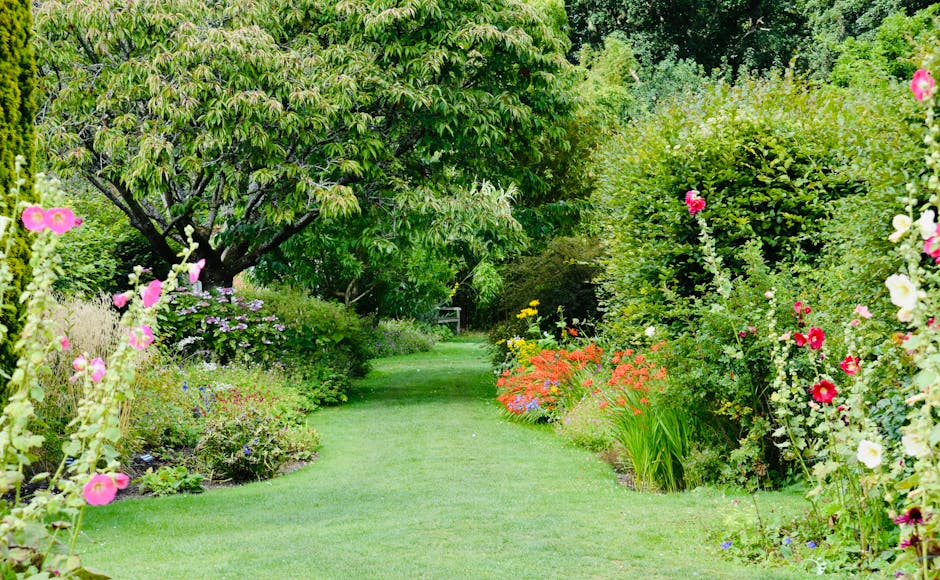
Northwick Park border planting ideas from local gardeners
If you have ever stood at the edge of a tired border and thought, "This could be so much better," you are in the right place. Northwick Park border planting ideas from local gardeners are usually practical, weather-aware, and built for real gardens rather than glossy magazine fantasies. That means plants that cope with London conditions, borders that stay tidy without endless fuss, and combinations that look good from spring through winter. In this guide, you will find the sort of advice local gardeners tend to give when they are working in the same kind of streets, plots, and light conditions you are dealing with.
We will cover how border planting works, which styles suit Northwick Park gardens, how to choose plants that will not become a headache, and what to avoid if you want the border to stay attractive for more than one season. There is also a checklist, a comparison table, and a realistic example from a typical local garden. Nothing too fancy. Just useful, grounded ideas.
Table of Contents
- Why Northwick Park border planting ideas from local gardeners matters
- How Northwick Park border planting ideas from local gardeners works
- Key benefits and practical advantages
- Who this is for and when it makes sense
- Step-by-step guidance
- Expert tips for better results
- Common mistakes to avoid
- Tools, resources and recommendations
- Law, compliance, standards, or best practice
- Options, methods, or comparison table
- Case study or real-world example
- Practical checklist
- Conclusion
- Frequently asked questions
Why Northwick Park border planting ideas from local gardeners Matters
Border planting is one of those things that can quietly change how a garden feels. A good border gives shape, softens hard edges, and makes even a small outdoor space feel designed rather than left over. In Northwick Park, where gardens can vary from compact terraces to wider family plots, that matters even more. The right planting can make a narrow side return look longer, a plain lawn look richer, and a fence line feel intentional instead of blank.
Local gardeners tend to think beyond "what looks nice today". They think about what will still look decent after a wet week, a windy spell, or a heatwave that dries the soil out faster than expected. To be fair, that is where a lot of home garden plans go wrong. A border filled with only thirsty showpieces may look brilliant for a month and then, well, sulk.
Another reason this topic matters is scale. In many Northwick Park gardens, the border has to work hard. It might need to hide an awkward fence, frame a patio, attract pollinators, and stay neat enough not to overwhelm a small plot. Local gardeners usually lean toward layered, repeatable planting schemes because they are easier to maintain and more forgiving when one plant fails. That is real-world gardening, not a showroom display.
If your garden also includes lawn edges, hedges, or built features such as a deck or paved sitting area, the border becomes the thread that ties everything together. Services such as landscape gardening and landscaping often start with this exact kind of problem: how to make the garden feel coherent. Border planting is often the answer, or at least a very good part of it.
How Northwick Park border planting ideas from local gardeners Works
At its simplest, border planting works by building depth in layers. You place taller plants at the back, medium plants in the middle, and lower, softer plants at the front. That gives the border structure and helps the eye move through the space naturally. But the real trick is choosing plants that enjoy the same conditions and look good together over time.
In Northwick Park, local gardeners often start with the basics: sun, shade, soil, and how much maintenance the homeowner realistically wants. A south-facing border with dry soil is a very different proposition from a damp, shaded edge beside a fence. And yes, there are plenty of gardens where the two conditions change within a few metres. London gardens can be a bit like that, a patchwork of light and shelter.
Think of the border as a living design line. Structure comes from evergreen shrubs, shape plants, or grasses. Seasonal colour comes from perennials and bulbs. Texture comes from leaves, not just flowers. A mix of these elements keeps the border interesting even when one group is out of season. That is why local gardeners often recommend combining at least three plant types rather than relying on one obvious star plant.
There is also the maintenance side. A border that looks beautifully full in June can look messy by September if the plants flop, spread too far, or crowd each other out. Border design works best when the planting plan matches the aftercare plan. If you know you will use garden maintenance regularly, you can be a little more ambitious. If not, lean into robust plants with slower growth and neat natural habits.
That is the whole game, really: create a border that looks layered, feels balanced, and can live in the actual garden you own.
Key Benefits and Practical Advantages
Good border planting does more than make a garden look pretty. The practical benefits are often the real reason people go ahead with it.
- It improves structure. Borders define the garden and make the layout easier to read.
- It adds year-round interest. Not just flowers, but foliage, stems, shape, and texture.
- It can soften boundaries. Fences, walls, sheds, and brickwork feel less harsh.
- It supports wildlife. Many border plants can help bees, butterflies, and birds.
- It can reduce the "unfinished" look. Even a simple border can make a garden feel cared for.
- It can be adapted to low maintenance. A well-chosen border may need only seasonal tidy-ups.
There is also a psychological benefit, which people do not always mention. A planted border can make a small garden feel calmer. You notice it in the evening when the light drops and the shapes of grasses or lavender edges stand out. Suddenly the space feels softer. Less like a corridor, more like a garden.
If the border sits close to a deck, path, or seating zone, it can also improve the sense of enclosure. That is especially useful in urban settings where privacy matters. For gardens that include hard landscaping, pairing planting with features from decking services can create a much more polished result.
Who This Is For and When It Makes Sense
Border planting ideas from local gardeners make sense for a wide range of homeowners, but especially for people who want the garden to do more with less effort.
You may be a good fit if:
- your garden border looks sparse, patchy, or overgrown;
- you want a cleaner, more cohesive layout;
- you need privacy without building a solid barrier;
- you want pollinator-friendly planting without making the space wild;
- you are working around a lawn, paving, or existing shrubs;
- you are trying to reduce weekly gardening chores;
- you have inherited a garden and are not sure where to start.
It also makes sense if you are planning a broader refresh and want planting to work alongside other improvements. A border can anchor a full garden redesign, but it can also be the small change that makes everything else feel better. In many cases, people start with the border because it is a manageable first step. Then the whole thing begins to make sense.
Local gardeners often see two common scenarios in Northwick Park. First, the "blank fence" problem, where nothing softens the edge of the garden. Second, the "too many random plants" problem, where there are shrubs everywhere but no plan. Border planting helps with both. It gives order. A bit of breathing room too.
Step-by-Step Guidance
Here is a sensible way to plan a border without overcomplicating it.
- Assess the site. Look at sunlight, shade, soil texture, drainage, and the width of the border. A narrow strip beside a path needs different plants from a deep rear border.
- Decide the job of the border. Is it for privacy, colour, pollinators, structure, or all of those? The answer changes the plant mix.
- Set a style. Choose a simple direction: cottage, modern, wildlife-friendly, evergreen, or seasonal colour. Mixed messages in a border can look messy.
- Choose a backbone. Start with a few reliable shrubs or grasses. These create shape when the flowering plants are resting.
- Layer in perennials. Add plants for repeated seasonal colour and texture. Think about bloom times so the border does not peak all at once and then fade.
- Add fillers and edging plants. Lower plants at the front help soften the border and stop it looking abrupt.
- Check spacing. Give plants room to grow. It is tempting to pack them in. Most people do, honestly. Then they spend the next year pruning everything back.
- Mulch and water properly. A mulch layer helps retain moisture and suppress weeds. Water deeply while plants establish.
- Plan the maintenance rhythm. Deadhead, cut back, divide, and tidy according to the season. A neat border is mostly about rhythm, not perfection.
If the existing border needs clearing first, a service such as garden clearance can make the job much easier. And if there are trees or heavy overhanging branches causing shade issues, tree lopping and removal may be part of the wider plan, though that should always be handled carefully and appropriately.
Expert Tips for Better Results
Here are the sort of tips local gardeners tend to use when they want borders to stay attractive without constant rescue work.
- Repeat plants in drifts. Three or five of the same plant usually looks better than one of everything.
- Use foliage contrast. Silver leaves, glossy leaves, and fine grasses can be as important as flowers.
- Think about winter shape. Some plants collapse after frost, so keep a few evergreen or structural plants in the mix.
- Match water needs. Group thirsty plants together and drought-tolerant ones together. It makes care much easier.
- Leave headroom. A border that is too dense can block airflow and look tired fast.
- Plan for the view from indoors. A border seen from the kitchen window should have a clear shape even in quieter months.
- Use scent where people pass. Lavender, herbs, and other lightly scented plants near a path or seating area can be lovely. Small detail, big effect.
One practical trick: stand back and look at the border from three different places before planting. Front door, patio, and the far end of the garden if you can. You will notice gaps and awkward heights that are easy to miss up close.
And here is a slightly unglamorous truth. The best border is not always the most colourful. It is often the one that still looks composed on a grey Tuesday in October. That is the test.
Common Mistakes to Avoid
Most border problems come from a few predictable mistakes. Avoiding them saves time, money, and a fair amount of muttering later on.
- Planting without checking mature size. Small pots can become large, congested shrubs.
- Mixing too many styles. A modern border, cottage border, and tropical border all in one strip rarely works.
- Ignoring soil and light. A shade plant in full sun is not going to thank you.
- Forgetting maintenance access. If you cannot reach the back of the border, pruning becomes a nuisance.
- Using too few structural plants. The border can feel flat once flowers finish.
- Overcrowding at planting time. It looks full on day one, then cramped by year two.
- Not planning around hedges or lawn edges. Borders look much tidier when the surrounding areas are cared for too, including hedge trimming and lawn mowing.
Another common issue is choosing plants because they are fashionable rather than suitable. A plant trend can be lovely. But if it hates your soil, you will not enjoy it for long. Truth be told, many gardens get improved more by sensible plant choices than by expensive plant lists.
Tools, Resources and Recommendations
You do not need a huge toolkit to get a border started, but the right basics help. A spade, hand fork, secateurs, watering can or hose, mulch, and a measuring tape are usually enough for a straightforward planting project. A string line can also help if you want a crisp front edge. Nothing fancy there.
For larger projects, it is worth thinking about how the border fits into the whole garden. A border next to a seating area may need different treatment from a border running along the rear boundary. In a full redesign, a broader service such as services overview can help you understand the available options, while landscape gardening is often the route people take when they want planting, hard landscaping, and layout changes to work together.
Useful recommendations for better results:
- choose plants with staggered flowering times;
- mix evergreen structure with seasonal colour;
- use mulch to reduce weeds and moisture loss;
- keep edging neat so the border reads as deliberate;
- refresh tired plants rather than letting the whole border drift.
If you are concerned about safety, access, or larger jobs involving heavier work, it is sensible to check a company's health and safety policy and insurance and safety information before proceeding. That is not overkill. It is just sensible.
Law, Compliance, Standards, or Best Practice
For ordinary border planting in a private garden, there is usually no special permit or formal approval needed. That said, good practice still matters. If your work affects shared boundaries, protected trees, drainage, access routes, or neighbouring land, it is worth taking extra care and checking local requirements where relevant. When in doubt, keep things polite, documented, and measured. Gardens can become neighbourly flashpoints over very small things. A branch, a root, a bit of light. It happens.
UK best practice for home gardening is fairly straightforward: avoid damaging neighbouring property, do not block access, dispose of waste responsibly, and take proper precautions when using tools or handling heavy materials. If a project involves significant tree work, structural changes, or waste removal, make sure the approach is safe and appropriate for the site.
Recycling and waste handling also matter. Old soil, green waste, and removed shrubs should be dealt with responsibly. If you are working with a contractor, you may want to read their recycling and sustainability information so you know how they handle garden waste. That little detail tells you a lot about how organised they are.
One more point: if the garden sits within a managed property or leasehold arrangement, check any rules about planting, boundary changes, or external appearance before you start. It avoids awkward conversations later. Nobody wants that on a Sunday afternoon.
Options, Methods, or Comparison Table
Different border styles suit different gardens. Here is a simple comparison to help you decide what feels realistic.
| Border approach | Best for | Maintenance level | What it looks like | Possible drawback |
|---|---|---|---|---|
| Evergreen border | Year-round shape and screening | Low to medium | Neat, steady, dependable | Can feel a bit plain if not mixed well |
| Cottage-style border | Colour, softness, and a relaxed feel | Medium to high | Full, layered, abundant | Can get messy if overcrowded |
| Wildlife-friendly border | Pollinators and natural movement | Low to medium | Loose, lively, seasonal | Needs careful shaping to stay tidy |
| Modern architectural border | Crisp lines and strong structure | Low | Clean, bold, minimal | Less forgiving if plant choices are weak |
| Mixed border with shrubs and perennials | Balanced, flexible gardens | Medium | Layered, adaptable, practical | Needs thought to avoid clutter |
For many Northwick Park gardens, a mixed border is the sweet spot. It gives you structure without rigidity, colour without chaos. That is usually where local gardeners land after a few conversations and a bit of trial and error.
Case Study or Real-World Example
Imagine a typical Northwick Park rear garden: a narrow lawn, a tired fence at the back, and a border that has become a strange mix of one old shrub, some bare soil, and a few annuals that were planted in a hurry and never quite recovered. The owner wants something attractive, but not high maintenance. Fair enough.
A local gardener might suggest a layered redesign. The back line could be rebuilt with a few evergreen shrubs for shape and privacy. In front of that, a small group of perennials with staggered flowering periods would bring seasonal colour. The front edge could be softened with lower plants that spill slightly over the border, making the whole strip feel fuller and less rigid. A mulch finish would tidy the soil and reduce weeds. If the lawn edge was uneven, lawn mowing and edging would help the border stand out properly.
The difference is not just visual. The owner now has a clearer maintenance routine. Prune the shrubs once or twice a year, cut back the perennials at the right time, top up mulch as needed, and keep the surrounding areas tidy. Simple enough, but the effect is huge. The garden feels calmer, more finished, and frankly a bit more loved. That matters.
This sort of project is common because it solves several problems at once. Not just appearance, but practicality. Not just colour, but control. And control is underrated in a garden, really.
Practical Checklist
Use this checklist before you start planting:
- Have you checked how much sun or shade the border gets?
- Do you know whether the soil drains quickly or stays damp?
- Have you chosen a clear style or planting theme?
- Are there enough structural plants for winter interest?
- Will the plants fit when they reach mature size?
- Have you left space for maintenance access?
- Do the plants have similar water and soil needs?
- Have you planned for weed control and mulching?
- Will the border still look good from indoors?
- Do surrounding areas need attention too, such as hedges or lawn edges?
- Have you considered whether any larger landscaping changes should happen first?
If you can tick most of those off, you are in a much better position than the average rushed planting job. And that is honest. A little planning goes a long way.
Conclusion
Northwick Park border planting ideas from local gardeners work best when they are simple, layered, and realistic. The strongest borders are not necessarily the most elaborate ones. They are the ones that fit the light, the soil, the space, and the amount of care the garden will actually receive. Start with structure, add seasonal interest, and keep the design easy to maintain.
If you want your garden to feel more welcoming, more finished, and less like it is waiting for the "proper" work to begin, the border is often the best place to start. Small changes here can transform the whole space. Quietly, but properly.
Get a free quote today and see how much you can save.
When a border is planned well, it brings a little order to the day. And that, in a busy place like Northwick Park, is no small thing.
Frequently Asked Questions
What are the best border planting ideas for a small Northwick Park garden?
For a small garden, local gardeners usually recommend layered planting with compact shrubs, a few reliable perennials, and low edging plants. That keeps the space tidy without making it feel cramped. Repeating the same plants in small groups also helps a tiny border look calmer and more intentional.
Which plants work well in London garden borders?
Plants that cope well with mixed urban conditions are usually the safest choice. Many gardeners lean toward hardy shrubs, grasses, and perennials that tolerate fluctuating light, occasional dryness, and a bit of shelter from walls or fences. The exact plant list depends on the site, so matching the plant to the border matters more than chasing trends.
How do I make a border look good all year round?
Use a mix of evergreen structure, seasonal flowers, and plants with interesting foliage. If one layer finishes early, another should still hold the border together. Winter stems, grasses, and shrubs are especially useful because they stop the garden from looking bare in colder months.
What is the easiest low-maintenance border planting option?
A low-maintenance border usually uses tough, well-spaced plants with similar needs, plus mulch to reduce weeds. Evergreen structure and hardy perennials are often easier than a border packed with delicate plants. A simple plan is often the best plan, truth be told.
How far apart should border plants be spaced?
Spacing depends on the plant's mature size, not its pot size on the day you buy it. If you plant too tightly, the border may look full at first but become crowded and harder to maintain later. Always allow enough room for airflow, pruning, and growth.
Do border planting ideas need professional help?
Not always. A simple border refresh can be a very manageable DIY project. But if the garden needs clearance, reshaping, tree work, or a full redesign, professional help can save time and avoid expensive mistakes. It is often worth getting guidance if the space feels messy or overgrown.
How do I choose plants for shade near a fence?
Shade borders do best with plants that tolerate lower light and do not rely on full sun for flowering. You also need to think about dry soil, which is common near fences and walls. A local gardener will often check the light at different times of day before recommending anything specific.
Can border planting improve privacy?
Yes, especially if you use layered shrubs or taller structure plants toward the back of the border. It will not create a solid wall, but it can soften views into the garden and make the space feel more enclosed. That is often enough for many homes.
How often should a planted border be maintained?
Most borders benefit from light regular attention rather than one big annual tidy-up. Deadheading, cutting back, checking for weeds, and pruning at the right time all help. Some borders need only seasonal work, while others need a little more frequent shaping.
What should I do before planting a new border?
First, clear out weeds, old roots, and unwanted plants. Then assess the soil, light, and drainage so you are not guessing. It is also sensible to decide whether surrounding work, such as hedge trimming or lawn edges, should happen at the same time so the whole garden feels finished.
Are wildlife-friendly borders still neat enough for a front garden?
Yes, if they are planned carefully. A wildlife-friendly border does not have to look wild or untidy. Use repeating plant groups, keep the front edge crisp, and choose plants with a natural but controlled habit. That gives you a softer garden without losing structure.
How do I know if my border needs a full redesign?
If the border is overcrowded, bare in places, difficult to maintain, or visually disconnected from the rest of the garden, a full redesign may be the better option. Sometimes a few plant replacements are enough. Sometimes the whole layout needs a rethink. A good gardener will usually tell you which is which, and that honesty is worth a lot.
For more about the team behind these services, you can visit the about us page or use the contact us page if you are ready to talk through your garden plans.